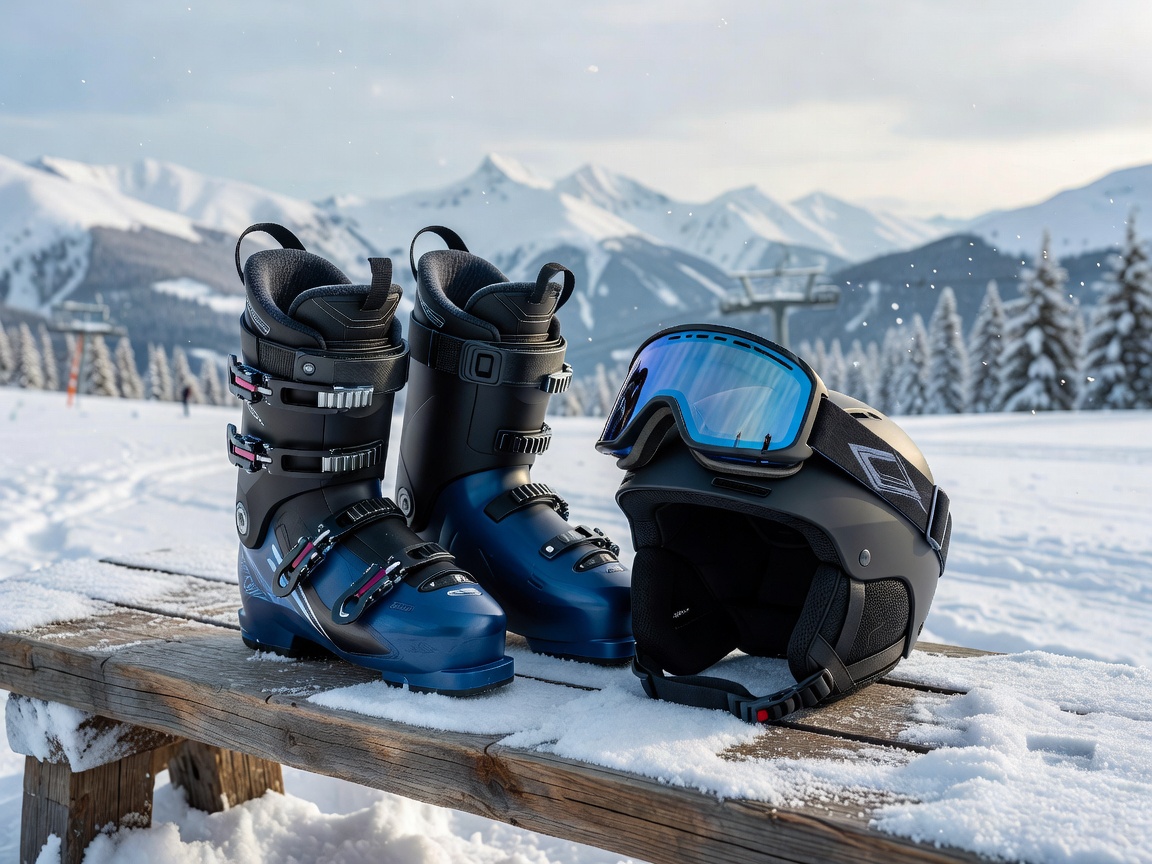
Practical equipment planning
Make your equipment plan simple and repeatable.
Equipment planning starts with the activity, the skier and the conditions expected. A useful system is not a universal packing list; it is a routine for checking that each item is suitable, comfortable and in serviceable condition. Follow manufacturer instructions, provider requirements and local guidance, and ask a qualified professional when you need help with fit or technical checks.
Separate essential items from optional extras. Confirm what is supplied or available to hire, what you must bring and how equipment will be transported or stored. For lessons and camps, check the provider’s requirements before purchasing or packing specialist items.
Boot fit, skis and equipment function
Boot comfort can affect attention and enjoyment throughout a ski day. Check that boots close and function as intended, and notice pressure points or persistent discomfort before you head out. A suitably qualified boot fitter can assess fit concerns. Do not attempt modifications beyond your knowledge, and do not ignore a boot that feels unsafe or prevents comfortable movement.
Skis and bindings should be appropriate for the skier and maintained according to manufacturer recommendations. Binding setup and adjustment are technical tasks that should be handled by a qualified ski technician. Do not alter settings yourself unless you have the relevant training and equipment. If something appears damaged, loose or unusual, ask a professional to inspect it before use.
Check poles, straps and other equipment for visible damage or missing parts. Make sure rented equipment is the correct size and that you understand how it is intended to be used. Raise concerns with the rental shop or instructor before starting the session.
Layers, helmet and eye protection
Choose clothing for the expected temperature, wind and activity, with layers that can be adjusted when conditions change. Check that gloves, socks and outer layers are comfortable and suitable for the day. Carry spare items only where they are practical and consistent with the provider’s advice.
Use a helmet designed for the activity, in good condition and fitted according to its manufacturer’s instructions. Check that straps and closures work as intended. Replace or seek professional guidance about a helmet that has sustained an impact, shows damage or is beyond its recommended service life. A helmet does not remove the risk of injury.
Goggles or suitable eye protection can help with glare, wind and changing light. Select equipment suited to the expected conditions and follow the manufacturer’s care instructions. Make sure visibility is adequate before you set off and respond appropriately if it deteriorates.
A practical training-day checklist
The evening before: check the meeting time and location, review the local forecast and travel plan, prepare clothing and confirm that equipment is clean, dry and in working order. Charge your phone and keep booking details or important contact information easy to find.
Before leaving: check current mountain and transport information, dress for the conditions and make sure you have what your provider recommends. Confirm food, water and any personal items you need for the planned duration. Keep essential medication accessible and use it as directed by your healthcare professional.
At the meeting point: confirm the plan with the instructor or group leader. Mention equipment concerns, discomfort or other relevant information before the activity begins. Make sure you know where the group will meet and how changes will be communicated.
After the session: dry and store equipment as recommended, note any repairs or fit issues and check the next day’s forecast. Replace or service items when required rather than leaving a known problem until the morning.
Pack for flexibility, not excess
What you carry depends on the activity, length of day, local conditions and advice from the responsible organiser. A compact, organised kit can be easier to check than an overpacked bag. Avoid carrying unfamiliar safety equipment without the training to use it. For off-piste or other specialist activities, follow qualified professional guidance and the requirements of the location.
Review the list after each trip. Remove items you did not need, add anything your experience showed was missing and resolve equipment problems promptly. Keep the final checklist specific to your own plans, rather than relying on a generic list for every mountain day.
This guide is general information. Seek a qualified technician for equipment checks, binding work and fit concerns beyond your own expertise.