Camp planning
Choose a format that fits the group.
A ski training camp is a sequence of planned sessions, not simply several days on snow. A useful outline states who the camp is for, what the training focus is, how each day is structured and what happens if conditions change. Before selecting a format, consider participant ability, travel time, available terrain, group size and the amount of instruction or independent practice involved.
Ask providers for current, specific details rather than assuming that a camp label guarantees a particular level of coaching or schedule. Confirm the meeting point, session duration, participant requirements, equipment expectations and any included services. Costs can include instruction, lift access, travel, accommodation, meals, equipment hire, insurance and local transport. Compare what is included; do not rely on a headline category alone.
Single-day and multi-day formats
A single-day camp can be a practical way to concentrate on one focus, assess a group or work around limited leave. It usually needs a clear start, a defined session plan and a realistic travel margin. Its limitation is the short time available for repetition, review and adjustment. Participants who arrive tired after a long journey may have less capacity for a full training day, so arrival planning matters.
A multi-day camp allows a sequence: introduce a theme, practise it, review observations and adjust later sessions. The longer format can make it easier to balance technical work with rest and to respond to the group’s development. It also requires more planning. Accommodation, transport, food, equipment storage and participant availability affect the schedule. More days do not automatically mean more useful training; session quality and appropriate recovery remain central.
Consider a staged format when the group has different levels or when weather variability is likely. The plan can include a primary activity, a shorter alternative and a non-ski option where appropriate. Agree in advance who makes schedule changes and how updates reach participants.
Session blocks, group size and recovery
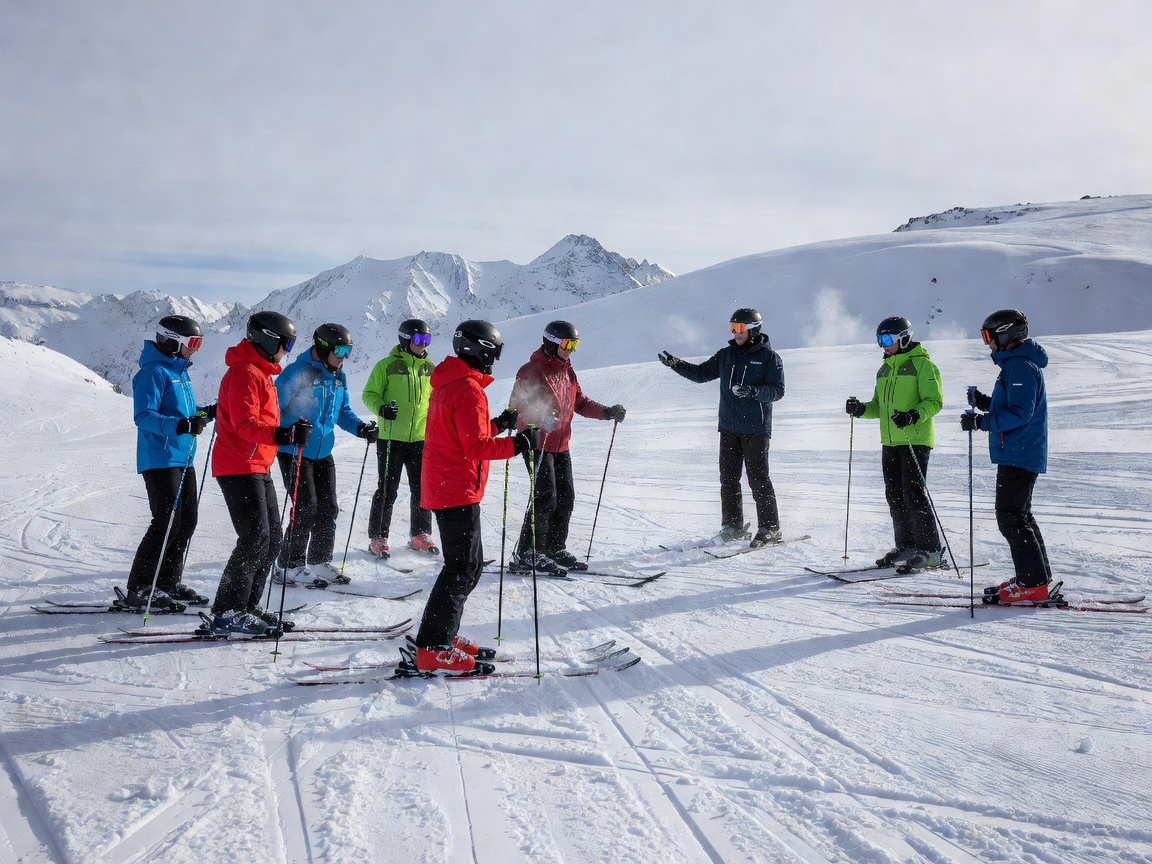
Build each training block around one main objective. A day might include a briefing, a warm-up suited to the activity, focused on-snow practice, a break, a second training block and a short review. The exact structure depends on the provider, terrain, participant needs and local conditions. Avoid filling every available minute. Time for equipment adjustments, hydration, food, changing weather and group movement should be part of the schedule.
Group size affects attention, pace and logistics. A smaller group may allow more individual feedback, while a larger group may need more time for regrouping and clearer communication. The appropriate number depends on the activity, participant ability, terrain and provider arrangements. Ask how groups are formed, how ability differences are handled and whether participants can be moved if the level is unsuitable.
Recovery periods should be planned, not treated as wasted time. Breaks allow participants to rest, eat, drink and check comfort. A multi-day program can alternate demanding blocks with lower-intensity work or review. Training volume should reflect the group’s experience and preparation. Participants should tell the responsible leader if fatigue, discomfort or concern changes their ability to take part.
At the end of each day, allow time for a practical review. Record the focus, conditions, useful observations, equipment issues and any adjustments for tomorrow. Keep notes concise. The purpose is to make the next day clearer, not to create a performance report or promise a result.
Accommodation, travel and weather contingencies
Accommodation decisions influence rest and daily travel. Check journey time to the meeting point, access to meals, drying arrangements for wet clothing and secure storage for equipment. Confirm check-in and departure requirements, cancellation terms and what happens if travel is delayed. For groups, identify who will communicate updates and what contact method is reliable when people are on the move.
Travel logistics deserve a margin. Consider transfers, parking or public transport, road conditions, luggage restrictions and the time needed to collect equipment. Keep essential documents and key contact information accessible. If participants are travelling from different locations, agree a meeting plan and a backup contact procedure.
Weather contingencies should be explicit. Mountain conditions can affect visibility, wind, temperature and terrain access. Check official local information and follow closures, warnings and provider instructions. A camp plan may need to shorten, relocate or cancel a session. It should never depend on entering closed terrain or continuing when the responsible professionals advise otherwise.
Equipment preparation and daily rhythm
Prepare equipment before the first session. Confirm that boots fit, clothing layers suit the forecast, helmet and protective equipment are in serviceable condition, and goggles are suitable for expected light. Follow manufacturers’ instructions. Use qualified professionals for fit or technical checks that exceed your competence; do not make unapproved equipment modifications.
A straightforward daily checklist can cover breakfast and travel timing, weather update, lift or access arrangements, water and food, protective equipment, charged phone and the day’s meeting location. Build a reset period after skiing for drying gear, checking the next forecast and preparing clothing. Keep plans flexible. A camp works better when its structure supports safe, purposeful training rather than forcing the group to complete a fixed volume regardless of conditions.
Confirm scope, group arrangements, cost categories, travel responsibilities, cancellation terms and weather procedures directly with the provider.